

Extortion
AI-assisted data extortion: what the reported case shows
Anthropic reported a criminal who used its AI coding tool to help run a data extortion campaign against at least 17 organisations. The case shows how AI can lower the skill needed for serious crime.
Last reviewed against NCSC (UK), UK Government (DSIT and Home Office) and Anthropic. Sources

The case
What was reported
Anthropic's August 2025 threat intelligence report said at least 17 distinct organisations were targeted, including in healthcare, emergency services, and government and religious institutions [5]. It said ransom demands sometimes exceeded $500,000 [5]. Rather than encrypting data, the actor threatened to publicly expose stolen information [5].
Anthropic's wider point was that AI has lowered the barriers to sophisticated cybercrime, so criminals with few technical skills can run complex operations that once needed years of training [5].

What it means
Reading it carefully
The report describes activity on one provider's tools, and the sample of cases is small. It cannot tell you how often AI-assisted extortion happens in the UK. The NCSC's view is wider: it expects AI mostly to make familiar intrusion methods more frequent and damaging, without inventing new ones [1].
Preparation
What to do before it happens
-
1
Know where your sensitive data sits and who can reach it. -
2
Limit privileged accounts and review them regularly [3]. -
3
Keep security logging and monitoring up to date, so you detect an intruder quickly [3]. -
4
Agree who decides, who speaks to regulators, customers and staff, and who contacts the police. -
5
Test the plan in an exercise.
Social engineering
The human route in
Many intrusions start with a person being persuaded. Phishing reached 38% of UK businesses and was the most common attack type in the 2025/2026 government survey [4]. Closing that route with second-channel checks and multi-factor authentication is part of extortion defence.
Do not pay in haste
Pressure to pay quickly is itself a tactic. Involve your legal advisers, insurer and the police before making any decision.
Keep reading
Read next

Outlook
What the NCSC expects from AI-enabled cyber threats to 2027, including volume, speed of exploitation and the gap between organisations that keep pace.
Read the guide
Secure AI tools
How to reduce risk from the chatbots and assistants you deploy: the government's AI code of practice, NCSC guidance and practical limits on access.
Read the guide
Timeline
A dated, sourced timeline of UK guidance, surveys and company reports on AI-assisted social engineering, from February 2024 to April 2026.
Read the guideHow CyPro can help
Need a hand with any of this?
Patching is one job. Keeping a vulnerable system safe until it is patched, and proving it, is several more. CyPro's consultants, testers and SOC analysts can take any of them off your plate.

Vulnerability scanning
Find every internet-facing system you run, including the forgotten ones, and see which are still on a vulnerable build.
See the scanning service
Hardening and segmentation
Our consultants put the controls in place that limit the damage when something is missed: firewall rules, network isolation and tighter admin access.
More on cypro.co.uk
24/7 security monitoring
Our SOC analysts watch your systems day and night for the signs of an attack in progress: unexpected processes, new outbound connections, logins that do not fit.
More on cypro.co.uk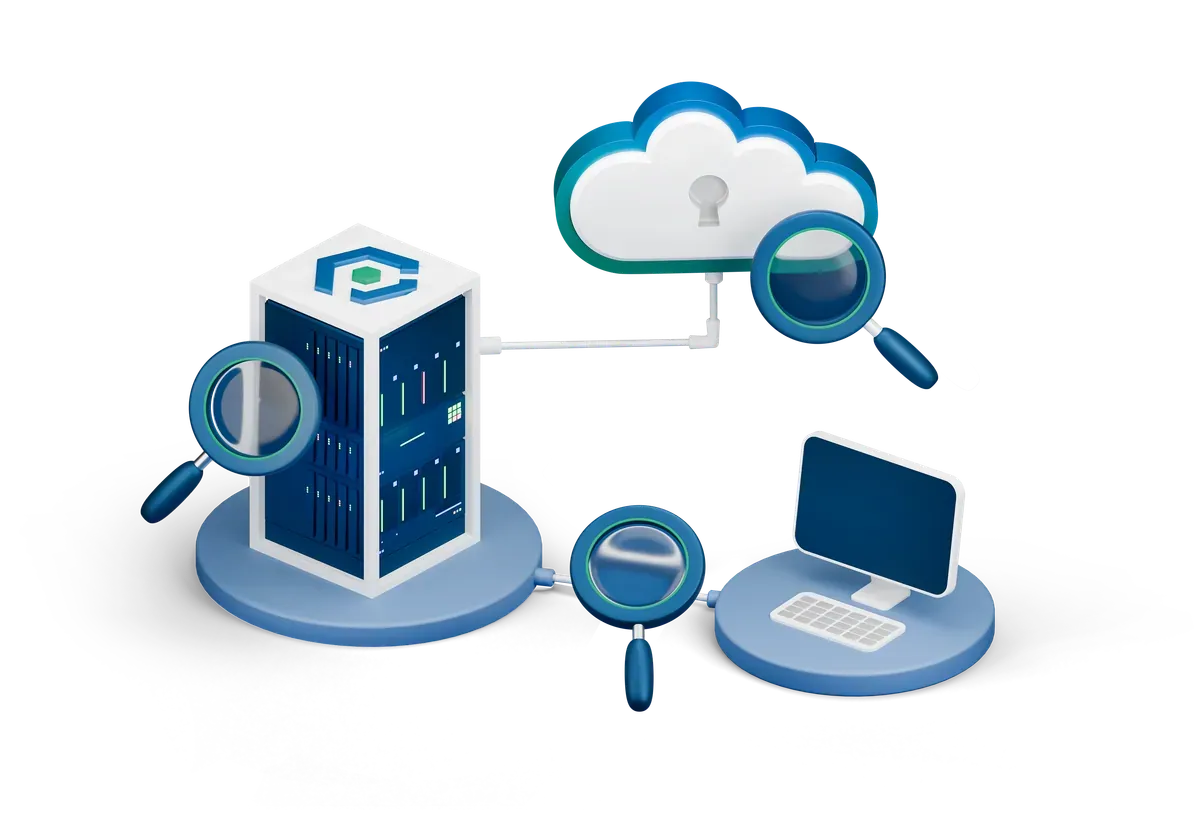
Penetration testing
A focused test of your systems and the controls around them, so you know they hold before an attacker finds out for you.
More on cypro.co.uk
Incident response
If you may already be compromised, our responders contain it, preserve the evidence, find out what was touched and get you running again safely.
More on cypro.co.uk
Fractional CISO for the board
A senior security lead who advises the board on what to fix first, what to accept and what to tell customers, and owns the decision record.
More on cypro.co.uk
Know your exposure
Not sure you are protected?
Defending against AI-assisted social engineering is a matter of decisions: who may approve what, how requests are confirmed and what AI tools may do. A virtual CISO helps leaders set those rules and have them tested.